Best Foods for Hair Growth: A Malaysian Diet Guide

Dr. Lu Ying Shean
Founder, MU Scalp & Hair Growth Solutions
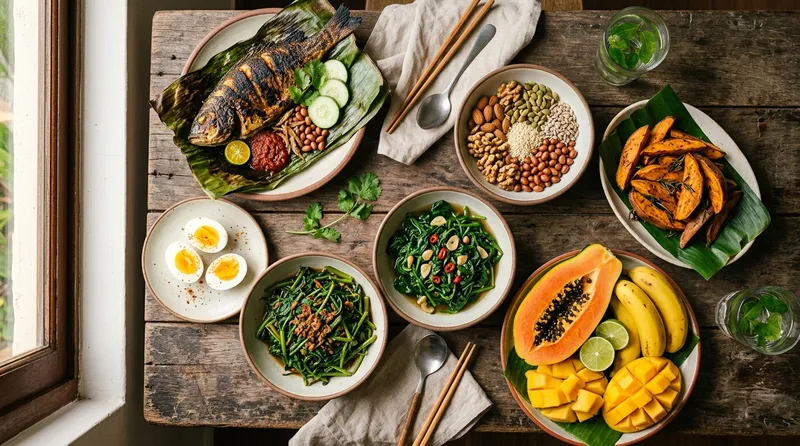
One of the first things we ask patients at MU Scalp in Kota Kinabalu is: “What does your typical day of eating look like?”
The response often reveals a pattern — not of bad eating, but of eating that’s missing specific nutrients your hair actually needs. Malaysia has an incredible food culture, but a diet heavy in carbohydrates, processed foods, and sugary drinks can leave your hair follicles starved of the building blocks they need.
Hair is one of the fastest-growing tissues in your body. It demands a steady supply of protein, iron, zinc, biotin, and specific vitamins. When these nutrients are lacking, your body prioritizes vital organs over hair growth — and your hair pays the price.
Here’s what to eat more of, using foods that are readily available across Sabah and Malaysia.
Protein: The Foundation of Hair
Hair is made almost entirely of keratin — a protein. Without adequate protein intake, your body can’t produce the building blocks for new hair growth.
Best local sources: Ikan (fish — especially ikan tenggiri and ikan kembung), chicken, eggs, tofu, tempeh, and dhal. A single egg contains about 6g of protein plus biotin, making it one of the most hair-friendly foods available.
How much? Aim for a palm-sized portion of protein at every main meal. If your current diet is heavy on rice and noodles with small amounts of protein, this is likely the most impactful change you can make.
Iron: The Nutrient Most Women Are Missing
Iron deficiency is one of the most common nutritional causes of hair loss we see at our centre — particularly in women. Low iron means less oxygen reaches your hair follicles, which weakens the growth cycle.
Best local sources: Red meat (when available), chicken liver (hati ayam — incredibly rich in iron), spinach (bayam), kangkung, dark leafy greens, and ikan bilis (dried anchovies). Pair these with vitamin C sources like lime juice or cili to boost iron absorption.
Watch out for: Teh tarik and kopi consumed with meals — the tannins in tea and coffee can reduce iron absorption by up to 60%. Try to drink these between meals, not during.
Vitamin D: Even Sunny Sabah Has Deficiencies
This one surprises our patients the most. Despite living in a tropical climate with abundant sunshine, vitamin D deficiency is remarkably common in Malaysia. Studies show that up to 70% of Malaysians have insufficient vitamin D levels — likely because most of us spend our days indoors, in air-conditioned offices and shopping malls.
Vitamin D plays a role in hair follicle cycling, and low levels are associated with alopecia areata and telogen effluvium.
Best local sources: Sunlight exposure (15–20 minutes of morning sun before 10 AM), eggs, fatty fish (salmon, mackerel, sardines), and fortified milk. Given how common deficiency is, targeted supplementation may be necessary — which is something we assess in our nutrition therapy consultations.
Omega-3 Fatty Acids: Feed Your Scalp
Omega-3s reduce inflammation, improve scalp circulation, and support the oil glands that keep your scalp and hair moisturized. In Sabah’s humid climate where scalp inflammation is common, this is particularly relevant.
Best local sources: Ikan tenggiri, salmon, sardines, mackerel, chia seeds, and walnuts. If fish is already part of your regular diet (as it is for many Sabahans), you’re likely getting some omega-3s — but consistency matters.
Zinc: The Unsung Hero
Zinc supports hair tissue growth and repair, and keeps the oil glands around follicles working properly. Zinc deficiency can cause hair loss and a dry, flaky scalp.
Best local sources: Shellfish (especially lala clams and prawns — widely available in KK’s seafood restaurants), pumpkin seeds, sesame seeds, chickpeas, and lean meats.
Biotin (Vitamin B7): Support From Within
Biotin is involved in the production of keratin and is one of the most commonly supplemented nutrients for hair health. While severe biotin deficiency is rare, suboptimal levels can contribute to brittle hair and slow growth.
Best local sources: Eggs (especially the yolk), sweet potatoes (ubi keledek), nuts, seeds, and mushrooms. Eating a varied diet that includes these foods regularly usually provides adequate biotin.
A Typical Hair-Healthy Malaysian Day
Here’s what a hair-friendly day of eating might look like using local foods:
Breakfast: Two eggs (scrambled or half-boiled) with whole grain toast and a slice of papaya. Morning sunlight for 15 minutes.
Lunch: Grilled ikan tenggiri with rice, kangkung belacan, and a squeeze of lime. Drink water instead of teh tarik with the meal.
Snack: A handful of mixed nuts (cashews, almonds) and a banana.
Dinner: Chicken soup with spinach, tofu, and mushrooms. A glass of water or warm lemon water.
This isn’t a strict diet plan — it’s a template. The goal is to consistently include protein, iron-rich greens, healthy fats, and vitamin-rich foods in your daily meals.
When Diet Isn’t Enough
Good nutrition supports hair growth, but it can’t fix every type of hair loss. If your hair thinning is caused by hormonal factors, autoimmune conditions, or advanced androgenetic alopecia, dietary changes alone won’t reverse it.
That’s where professional treatment comes in. At MU Scalp, our nutrition therapy service assesses your specific nutritional status and creates a targeted supplementation plan alongside any other treatments you may need. We don’t prescribe generic multivitamins — we identify what your body is actually lacking.
Dr. Lu Ying Shean is the founder of MU Scalp & Hair Growth Solutions at Kolam Centre Phase 1, Jalan Lintas, Kota Kinabalu. For a nutritional assessment as part of your hair loss treatment, contact us at +60 14-366 9770.
Concerned About Your Hair?
Book a consultation with our team. We'll assess your condition and recommend the right approach — no obligation.
Book Consultation via WhatsApp